
Squirrel Cage Motors for Industrial Applications: Troubleshooting Common Operating Issues
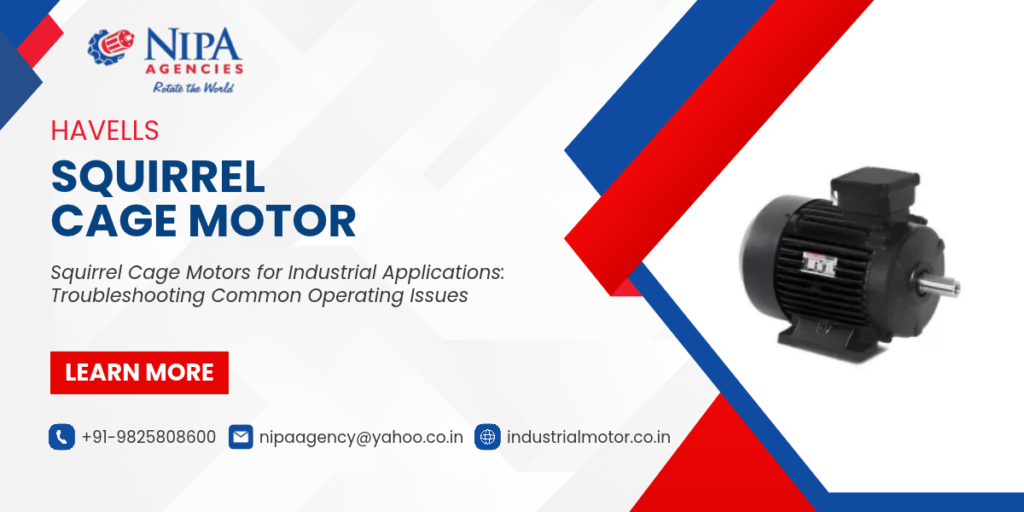
Squirrel cage motors are widely used in industrial equipment because of their practical construction and suitability for many everyday applications. When a motor begins operating differently than usual, identifying the symptoms and reviewing the operating conditions can help maintenance teams decide what needs further inspection.
Unusual noise, increased temperature, vibration or changes in starting behaviour should be reviewed in context. These symptoms can have several possible causes, so troubleshooting should begin with observations and documented checks rather than assumptions.
Common Squirrel Cage Motors Operating Issues
When investigating squirrel cage motors, maintenance teams may encounter changes such as:
- Unusual noise during operation
- Higher-than-normal operating temperature
- Unexpected vibration
- Difficulty starting or inconsistent starting behaviour
- Changes in current or operating performance
- Repeated protective device trips
These symptoms do not point to one specific fault on their own. The motor, driven equipment, electrical supply and operating conditions may all need to be considered.
Investigating Unusual Noise and Vibration
Noise or vibration may be associated with the motor, mounting arrangement, coupling, driven equipment or bearing condition. Review whether the symptom appeared after maintenance, installation changes or a change in the machine’s operating load.
Record when the noise or vibration occurs and whether it changes with the operating condition. Further inspection should be performed by qualified personnel using the site’s approved safety and isolation procedures.
Reviewing Temperature Changes
A motor operating hotter than its normal pattern may require a closer review of load, ventilation, ambient conditions and electrical supply. Check whether airflow is restricted or whether the driven equipment is operating differently from its usual condition.
Compare available temperature readings with previous records and the motor’s specified operating limits. Do not continue operating a motor outside its permitted conditions while waiting for a diagnosis.
Checking Starting and Operating Behaviour
If the motor has difficulty starting or protective devices trip repeatedly, the cause should be investigated rather than repeatedly restarting the equipment. Possible areas for qualified personnel to review include the supply, connections, control equipment, load condition and motor specifications.
Document the circumstances of the trip, including whether it occurs during starting or after the motor has been running. This information can help narrow the technical investigation.
Consider the Driven Equipment
Motor symptoms can sometimes originate from the machine being driven. A pump, fan, conveyor or other connected load may have changed operating conditions that affect the motor.
Review the complete installation, including the coupling, mounting and equipment load. This avoids focusing only on the motor when the issue may involve the wider system.
When to Review or Replace the Motor
If troubleshooting identifies a motor condition that requires repair or replacement, collect the nameplate details, application information, operating symptoms and installation dimensions. These details help establish the requirements for a suitable replacement.
Buyers evaluating Havells squirrel cage motors can use this information when discussing the application and required configuration. Sharing the operating conditions with a squirrel cage motor supplier helps support a more specific technical review.
Supplier Enquiry and Specification Review
Before requesting a quotation, confirm the motor power, voltage, frequency, speed, mounting arrangement and operating duty. For replacement projects, compare the proposed specifications with the existing installation and the equipment’s current requirements.
For businesses searching for a Havells squirrel cage motor supplier Ahmedabad, the Havells motors page provides brand-related information. Include the application details and any relevant troubleshooting observations in the enquiry.
Squirrel Cage Motors Troubleshooting Checklist
- Record the symptom and when it occurs
- Compare current operation with normal operating records
- Review load, ventilation and installation conditions
- Consider the driven equipment and connected components
- Have electrical and mechanical checks performed by qualified personnel
- Document findings before repair or replacement decisions
A systematic review helps maintenance teams investigate operating changes without jumping to conclusions. By recording symptoms, checking the application and involving qualified personnel when needed, industrial facilities can make better-informed decisions about squirrel cage motor maintenance and replacement.

 Users Today : 5
 Users This Month : 81
 Total Users : 103