
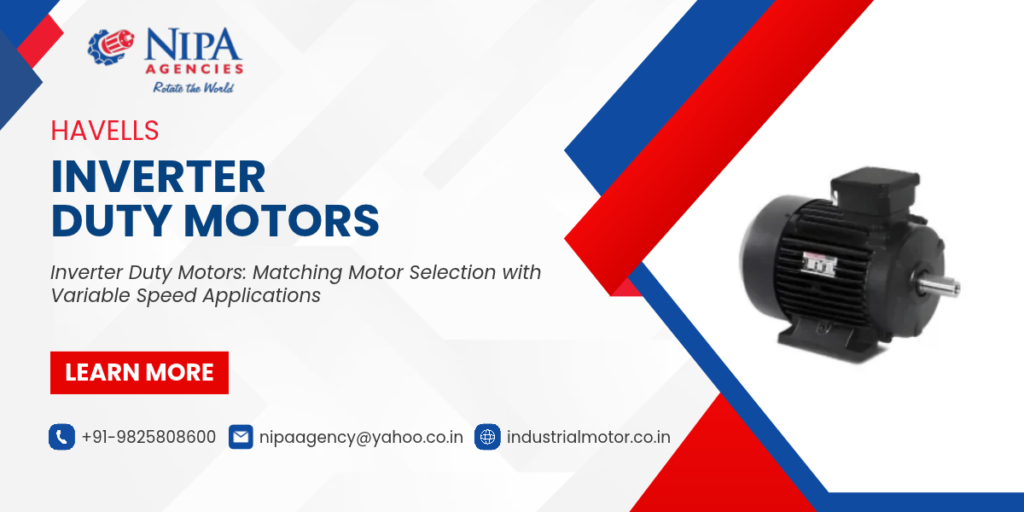
Inverter Duty Motors: Matching Motor Selection with Variable Speed Applications
Understanding Inverter Duty Motors
Inverter duty motors are intended for applications where motor speed is controlled using a variable frequency drive (VFD). A VFD adjusts the frequency and voltage supplied to the motor, allowing equipment to operate at different speeds according to process demand.
This type of control can be useful when an industrial process requires speed adjustment, controlled acceleration or coordination with changing load conditions. Motor selection should consider both the driven equipment and the way the drive will operate.
Why Variable Speed Control Is Used
Industrial equipment may not need to operate at full speed at all times. Variable speed control allows operators to adjust machine operation to suit process requirements.
Applications may include:
- Pumps where flow requirements vary
- Fans and ventilation systems requiring airflow adjustment
- Conveyors with adjustable operating speeds
- Production machinery requiring controlled movement
- Process equipment with changing operating demands
The suitability of a VFD-controlled motor depends on the application, operating range, load characteristics and the compatibility of the motor and drive.
How to Match a Motor with a Variable Frequency Drive
Speed Range and Operating Profile
Identify the minimum and maximum operating speeds required by the equipment. Explain whether the motor will run at a steady speed for long periods or frequently change speed during operation.
Load Characteristics
Review how the load behaves as speed changes. Pump, fan, conveyor and other machine loads can have different torque requirements, so the motor and drive should be evaluated for the specific application.
Starting and Acceleration
Share the required starting sequence, acceleration and deceleration needs. These details help determine the appropriate drive configuration and motor operating requirements.
Cooling at Reduced Speeds
Motor cooling may change when operating speed is reduced, particularly where cooling depends on a shaft-mounted fan. Confirm that the proposed motor is suitable for the expected speed range and operating duty.
Electrical and Installation Details
Verify the supply voltage, motor rating, drive arrangement, cable installation and environmental conditions. The motor and drive combination should be reviewed as a complete system.
Havells Inverter Duty Motors
When evaluating Havells inverter duty motors, industrial buyers should review the available specifications and confirm compatibility with the intended VFD application. Important details include the required output, speed range, load profile, electrical supply and installation conditions.
Visit the Inverter Duty Motor product page and the Havells brand page for related product information.
Preparing a Technical Enquiry
When contacting an inverter duty motor supplier, provide the driven equipment details, required speed range, operating duty, motor rating, supply information and VFD details where available.
For replacement projects, include the existing motor nameplate information and details of the installed drive. This helps the supplier review the requirement against the existing system rather than relying only on the motor category.
Working with a Havells Inverter Duty Motor Supplier in Ahmedabad
Industrial buyers looking for a Havells inverter duty motor supplier Ahmedabad should prepare a clear application description before requesting product information or a quotation. Include the equipment type, speed-control requirements, operating conditions and quantity.
Ask for confirmation of the proposed motor configuration and its suitability for the intended drive operation. Review the technical details with the engineering or maintenance team before placing an order.
Installation and Operation Considerations
Follow the motor and drive manufacturers’ instructions for installation, configuration and commissioning. Ensure that drive parameters are set according to the equipment requirements and that the motor operates within its specified limits.
Routine maintenance should include monitoring operating conditions and investigating unusual noise, vibration or temperature changes. Electrical inspection and service work must be performed by qualified personnel using the facility’s approved isolation procedures.
Request Information for Inverter Duty Motors
If your industrial application requires inverter duty motors for variable speed operation, prepare the motor and drive details before requesting a quotation. Nipa Agencies can discuss Havells motor requirements and available options based on the specifications shared for your project.

 Users Today : 2
 Users This Month : 83
 Total Users : 105